Newsletter   •   Quarter 1   •   2021

Navigating the pandemic

Now is the time to take a fresh look at your FINANCIAL situation.
HERE ARE SIX THINGS YOU SHOULD DO.

Because of the magnitude of COVID-19's economic impact, the following steps will have a positive impact on your financial planning and on your retirement.

Image

1
Don't borrow money

Don't borrow money if you can avoid it. You will be needlessly adding the burden of financing a loan. This is unless the money being borrowed is building an asset that can generate income or appreciate in value in the short term.
If you must borrow money to meet your regular needs, speak to your bank. This is not the time for high-cost loans. Paying back the exorbitant interest can cripple your finances.

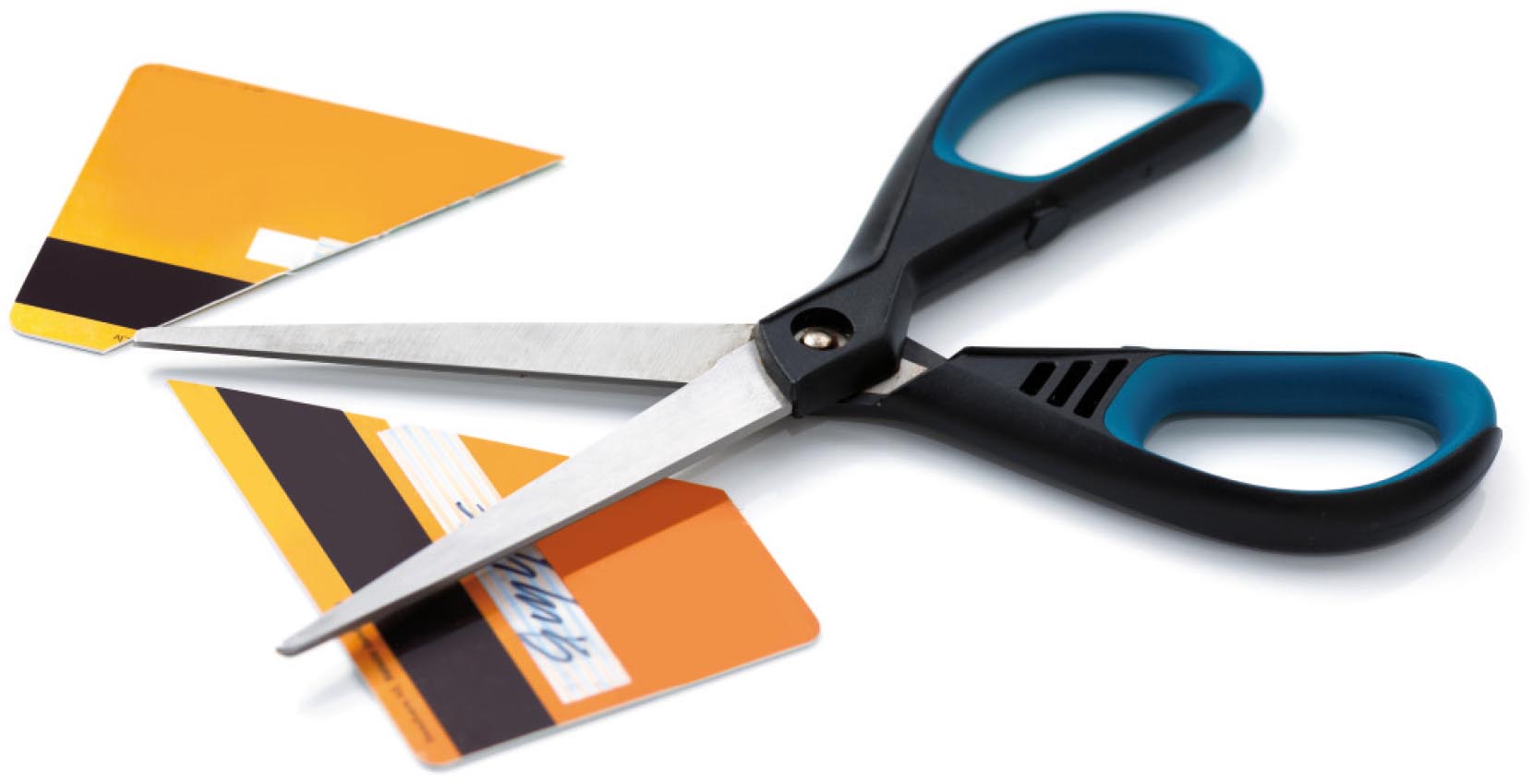

Most importantly – try not to use your credit cards or other store cards. Pay with the money you already have and if you cannot afford it, don't buy it.

2
Minimise bad debt

  • Allocate a certain amount of your income to repaying your debt.
  • Pay off the debt with the highest interest first while making minimum payments on the rest.
  • Get rid of your debts one by one and you will then be on the road to becoming debt free.

3
Create a budget

A budget tells you where your money should go instead of asking where it went. Creating a budget is simple.

  • Make a start by tracking your income and your expenses.
  • Be realistic.
  • Look for opportunities to save.
  • Itemise everything.
  • Allocate your spending.

The struggle is not in creating a budget — it is in sticking to it.


4
Maintain your emergency fund

It is recommended that you set aside an emergency fund of at least six months of your salary. This helps to protect you and your family in times of medical emergencies and other unforeseen circumstances.


5
Do more and outsource less

We often outsource, from housecleaning and garden work to general repairs and home maintenance. Do these yourself. It's an excellent way to save money and live a simpler life.


6
Speak to a financial adviser

A financial adviser can help protect you from the impact the pandemic is having on the economy and your finances. They can help you navigate these uncertain times.

  • Financial advisers co-create plans with you to help you take care of the things that matter most.
  • Financial advisers can assist you in dealing with your immediate challenges and will find the best solution for now and the long term.
  • Research shows that those who receive financial advice are likely to be wealthier and have more money when they retire.
  • Financial advisers help you avoid making expensive mistakes.
  • They have the knowledge and skills to guide you through the tough circumstances we are currently experiencing.
  • Financial advisers can assist you in prioritising your financial obligations. In challenging times paying bills can be difficult.

Plan ahead. Remember that one day you will want to retire comfortably – without having to compromise your lifestyle.